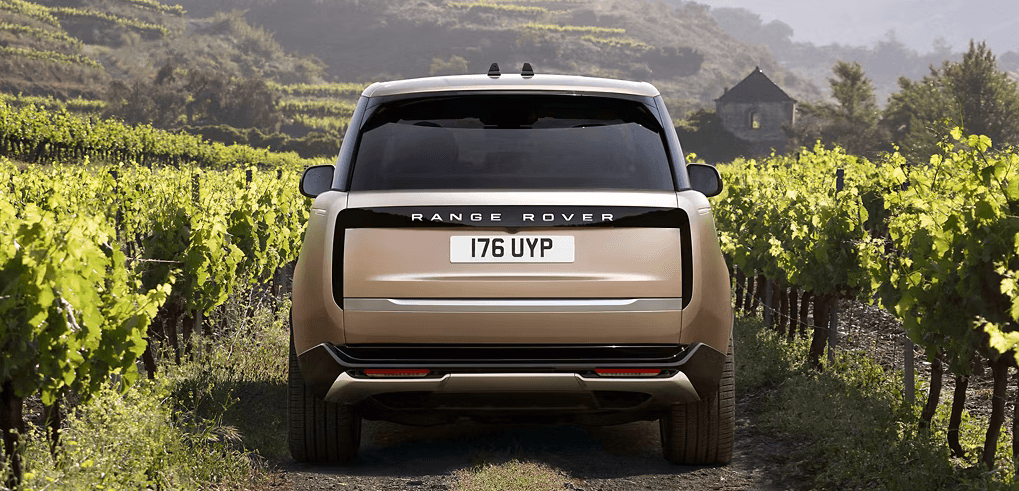
The 2027 Range Rover reaches 11.5 inches of off-road ground clearance and 35.4 inches of wading depth, figures the Cayenne cannot match. The Cayenne counters with a sportier driving character and a lower curb weight at the entry level. This page lays out every key difference so you can find the right vehicle in current inventory.
The Short Answer
The 2027 Range Rover is the stronger choice for clients who prioritize genuine off-road capability, a broader powertrain selection (including plug-in hybrid), and a more expansive, quieter cabin. The Cayenne is the better fit for clients who want a tighter, sport-oriented driving feel and a lower entry point into the luxury SUV segment. Neither is a compromise on refinement, but they serve meaningfully different priorities.
Specs Head-to-Head
Full 2027 Range Rover specifications
| Specification |
2027 Range Rover (SE) |
2027 Porsche Cayenne |
| Engine |
3.0L inline-6 Twincharger mild hybrid |
3.0L turbocharged V6 |
| Horsepower |
395 hp |
348 hp |
| Torque |
406 lb-ft |
368 lb-ft |
| Transmission |
8-speed automatic |
8-speed Tiptronic S |
| Drivetrain |
AWD |
AWD |
| 0-60 mph |
5.3 sec |
5.4 sec (5.7 sec without Sport Chrono) |
| Towing (gas) |
7,716 lbs |
7,716 lbs |
| Off-road ground clearance |
11.5 in |
9.4 in (air suspension, high level) |
| Wading depth |
35.4 in |
20.9 in (air suspension, high level) |
| Cargo (behind 2nd row) |
40.7 cu ft |
27.3 cu ft |
| Maximum cargo |
83.5 cu ft |
60.3 cu ft |
| Front headroom |
39.3 in |
43.1 in |
| Rear legroom |
40.4 in |
38.7 in |
| Warranty |
4 yr / 50,000 mi |
4 yr / 50,000 mi |
| City MPG (gas SE) |
19 |
17 |
| Highway MPG (gas SE) |
26 |
23 |
Range Rover figures shown for SE with 3.0L mild hybrid. Cayenne figures shown for base Cayenne.
Performance and Powertrain
The Range Rover SE posts 395 hp and reaches 60 mph in 5.3 seconds in base form. Stepping to the Autobiography with the 4.4-litre twin-turbocharged V8 raises output to 523 hp and cuts that sprint to 4.4 seconds. The SV and SV Black with the same V8 deliver 606 hp with a 4.3-second run. A plug-in hybrid model is also available across the SE and Autobiography, producing 543 hp combined and running to 60 mph in 4.8 seconds. Range Rover powertrain details
The Cayenne base model delivers 348 hp from its 3.0-litre turbocharged V6 and reaches 60 mph in 5.4 seconds with the Sport Chrono package. The Cayenne E-Hybrid adds a 174 hp electric motor for 463 hp combined and a 4.6-second 0-60 time. The Cayenne GTS runs a twin-turbocharged 4.0-litre V8 producing 493 hp, and the Cayenne Turbo E-Hybrid reaches 729 hp combined.
On paper, the Range Rover holds a torque advantage at the entry level, 406 lb-ft versus 368 lb-ft, and its mild-hybrid system provides supplemental torque from lower rpm. The Cayenne’s top-tier performance numbers are genuinely impressive at the Turbo E-Hybrid level, but the Range Rover’s lineup delivers comparable or superior output through most of the model structure.
Range Rover SE model details
Interior, Space, and Cargo
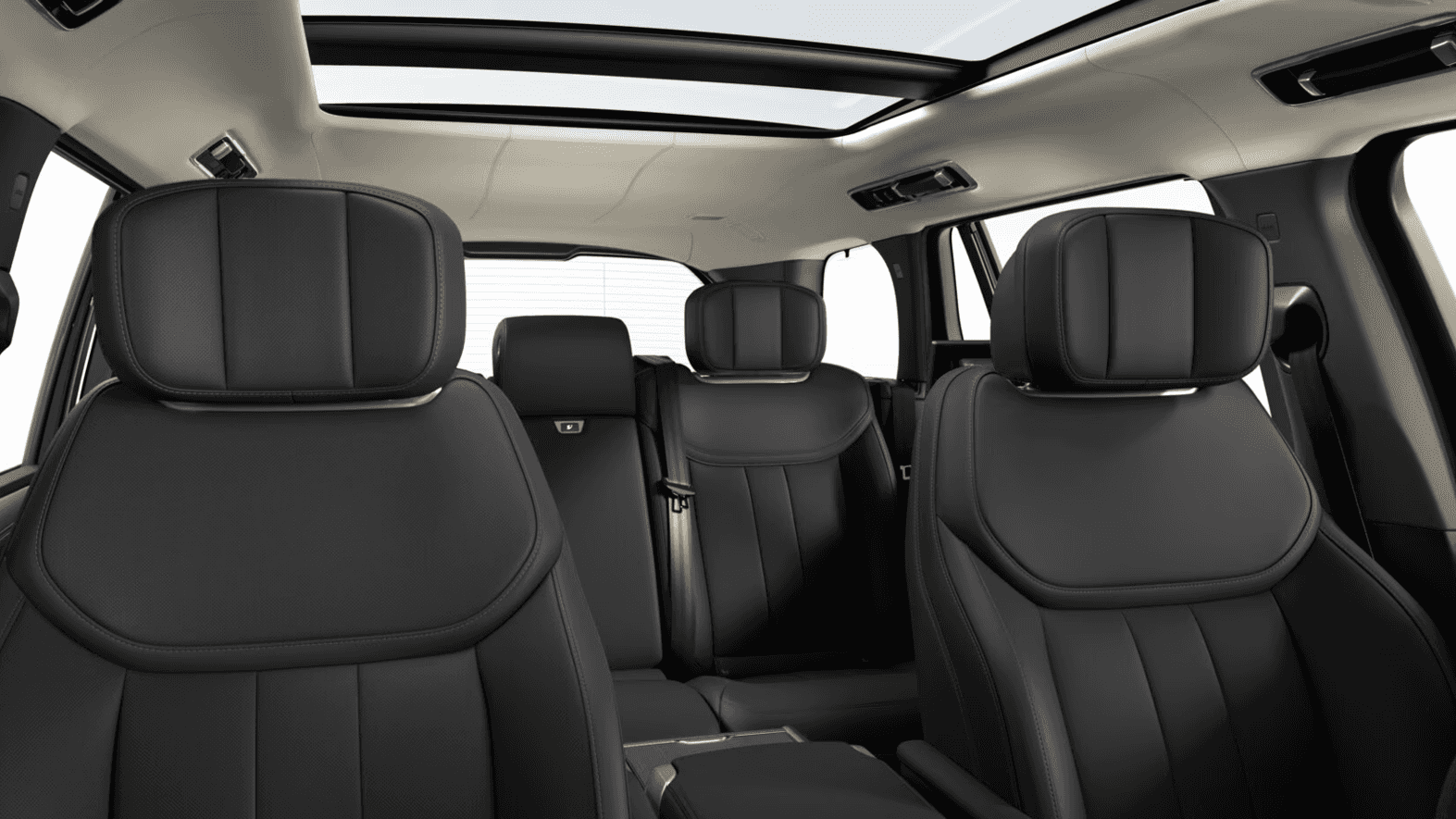
The Range Rover’s dimensions tell a clear story: 40.7 cubic feet of cargo space behind the second row versus 27.3 cubic feet in the Cayenne. With seats folded, the Range Rover reaches 83.5 cubic feet compared to 60.3 cubic feet in the Cayenne. For families, frequent travellers, or anyone routinely carrying gear, that difference is substantial.
Rear legroom measures 40.4 inches in the Range Rover. Front headroom reaches 39.3 inches with the panoramic roof fitted. The cabin uses perforated Windsor leather at the SE level, with options progressing through semi-aniline leather at the SV and Near-Aniline leather at the SV Black. The SV Ultra adds Orchid White perforated Ultrafabrics seating, and optional 24-way power-adjustable front seats are available. Four-zone climate control is standard from the Autobiography upward.
The Cayenne offers 8-way power seats standard and a 2-zone automatic climate system at the base level. The interior is well-appointed and sport-focused, but the Cayenne does not match the Range Rover’s rear-seat volume or its breadth of premium material options across the lineup.
Notable Range Rover interior features include a front centre console refrigerator compartment (standard from Autobiography), a Meridian Signature Sound System at the Autobiography level, and an optional electrostatic audio system using high-fidelity electrically charged plates that is not available in the Cayenne.
Technology and Safety
The Range Rover comes standard with Terrain Response 2, All-Terrain Progress Control, Hill Descent Control, All-Wheel Steering with Torque Vectoring by Braking, and Electronic Air Suspension that adjusts height automatically. The Adaptive Dynamics suspension monitors body and steering inputs up to 500 times per second. Two locking differentials and five terrain modes, including Wade mode, are part of the standard specification. For 2027, physical knobs return for audio and Terrain Response control, a refinement that many clients will appreciate.
Safety content includes Blind-Spot Alert, Lane Departure Warning, Surround View Camera, Rear Parking Sensors, and a full airbag suite.
The Cayenne brings a 12.3-inch Porsche Communication Management touchscreen, a 12.6-inch curved digital instrument cluster, and AI Voice Pilot with natural language control. Standard safety content includes Lane Keep Assist, Lane Change Assist, Traffic Sign Recognition, Warn and Brake Assist, and Surround View with Active Parking Support. Wireless Apple CarPlay and Android Auto are standard, as is Porsche Active Suspension Management across all models.
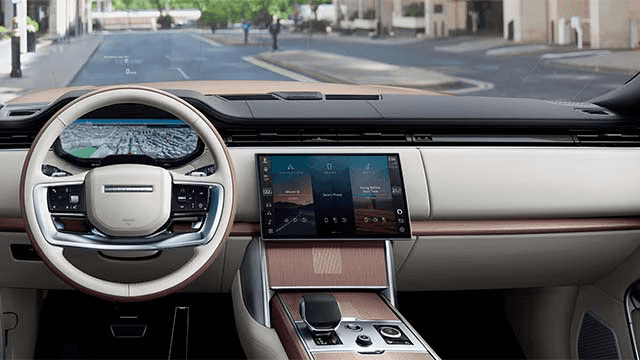
Both vehicles are well-equipped. The Range Rover’s edge lies in its terrain-management depth, Wade mode, and the locking differentials that have no equivalent in the Cayenne lineup. The Cayenne’s advantage is the AI voice interface and its app-based infotainment platform.
Range Rover technology features
Value and Ownership
Both vehicles carry identical warranty coverage: 4 years or 50,000 miles for basic and powertrain protection.
On efficiency, the Range Rover SE returns 19 city and 26 highway with the mild-hybrid inline-6. The Cayenne base returns 17 city and 23 highway. The Range Rover’s mild-hybrid system provides a measurable advantage on the highway for clients who cover significant freeway mileage, as is common across the greater Houston and Friendswood area.
The Range Rover’s plug-in hybrid option offers another path for clients seeking reduced fuel consumption without sacrificing towing capability. The Cayenne offers the E-Hybrid and Turbo E-Hybrid plug-in variants for clients who want electrified performance in a more sport-tuned package.
Standard content on the Range Rover SE includes a powered gesture tailgate, wireless charging, soft door close, Electronic Air Suspension, Terrain Response 2, and LED headlights. The Cayenne matches several of these features but adds a BOSE Surround Sound System as standard on the GTS and above, where the Range Rover’s Meridian Signature system steps in at the Autobiography level.
Range Rover warranty information
Which One Should You Buy
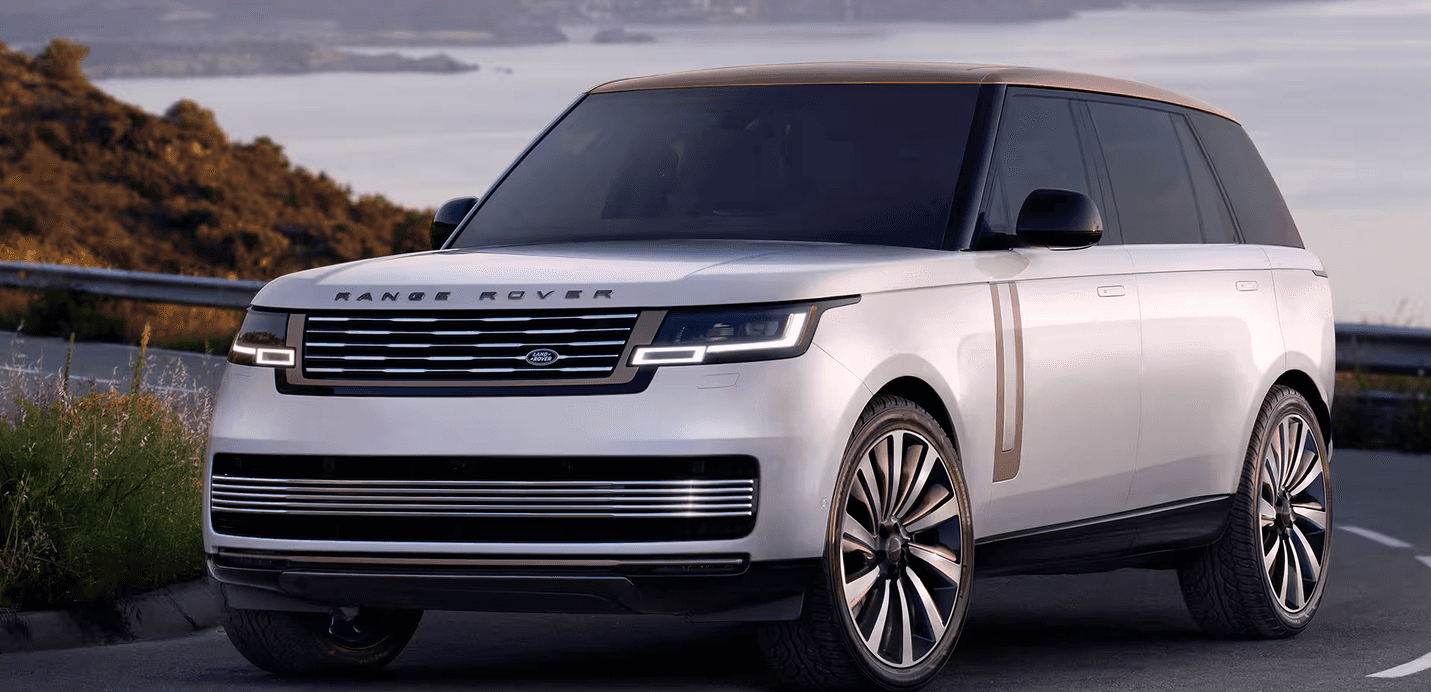
Choose the 2027 Range Rover if:
- Genuine off-road capability is a requirement. The 11.5-inch off-road ground clearance, 35.4-inch wading depth, two locking differentials, and Wade mode are in a separate class from the Cayenne.
- Rear-seat space and cargo volume matter. The Range Rover’s 40.7 cubic feet behind the second row is significantly larger than the Cayenne’s 27.3 cubic feet.
- You want a plug-in hybrid without sacrificing capability. The Range Rover’s plug-in hybrid produces 543 hp and still tows up to 6,614 lbs.
- Interior refinement and bespoke material choices are a priority, from Windsor leather at the SE through the ultra-premium SV Ultra specification.
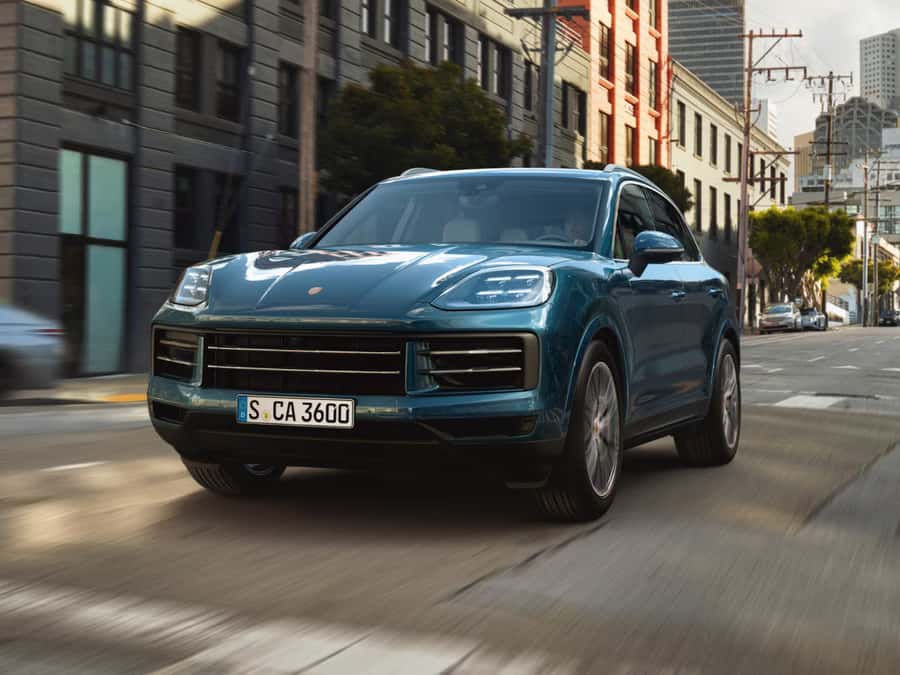
Choose the 2027 Porsche Cayenne if:
- A sportier, driver-focused experience is your primary goal. The Cayenne’s chassis tuning and GTS specification are built around driving engagement.
- You prefer a more compact footprint. The Cayenne is 5 inches shorter in length than the Range Rover and sits lower.
- High-output electrified performance at the top of the range appeals to you. The Cayenne Turbo E-Hybrid’s 729 hp combined output exceeds any petrol Range Rover model.
Both are outstanding vehicles. The separation is clear: the Range Rover is a luxury vehicle first, a serious off-road machine second, and a refined long-distance companion throughout. The Cayenne is a performance SUV that also happens to be luxurious.
See the 2027 Range Rover at Land Rover Clear Lake
Land Rover Clear Lake serves clients across Friendswood and the greater Houston area with the full 2027 Range Rover lineup, from the SE through the SV Ultra. Whether you are comparing powertrain options, model specifications, or need to put either vehicle through its paces, the team here can assist. Current inventory is available online and updated regularly.
Frequently Asked Questions
Does the 2027 Range Rover have more cargo space than the Cayenne?
Yes. The Range Rover offers 40.7 cubic feet behind the second row, compared to 27.3 cubic feet in the Cayenne. Maximum cargo volume with seats folded reaches 83.5 cubic feet in the Range Rover versus 60.3 cubic feet in the Cayenne.
What is the towing capacity of the 2027 Range Rover versus the Cayenne?
Both reach 7,716 lbs. towing capacity with the petrol V8 powertrain. The Range Rover’s plug-in hybrid variant tows up to 6,614 lbs., while the Cayenne Turbo E-Hybrid tows 6,614 lbs.
Which has better off-road capability, the Range Rover or the Cayenne?
The Range Rover. It provides 11.5 inches of off-road ground clearance, 35.4 inches of wading depth, two locking differentials, Terrain Response 2, and a dedicated Wade mode. The Cayenne’s maximum ground clearance in high-level air suspension is 9.4 inches, and its wading depth reaches 20.9 inches, with no equivalent terrain management system.
Is a plug-in hybrid available on the 2027 Range Rover?
Yes. A 3.0-litre plug-in hybrid is available on the Range Rover SE and Autobiography, producing 543 hp combined with an 8-speed automatic transmission and AWD.
How does fuel economy compare between the Range Rover SE and the Cayenne?
The Range Rover SE with the mild-hybrid inline-6 returns 19 city and 26 highway. The Cayenne base returns 17 city and 23 highway, giving the Range Rover a clear efficiency advantage at the entry level.
What warranty does each vehicle carry?
Both the 2027 Range Rover and the 2027 Porsche Cayenne are covered by a 4-year / 50,000-mile basic and powertrain warranty.
Does the Range Rover have rear-wheel steering?
Yes. Rear-wheel steering is standard on the Range Rover, paired with All-Wheel Steering and Torque Vectoring by Braking for improved agility at low speeds and stability at higher speeds.
Contact Us Form Opened
Contact Us